
How Often Should a Business Have Professional Cleanings? A Complete Overview


Introduction
Maintaining a clean and organized workspace is essential for any business. Not only does it create a positive impression for clients and visitors, but it also contributes to the health and productivity of employees. One question many business owners face is: How often should professional cleanings be scheduled? This guide will provide a complete overview to help you make an informed decision.

Factors Influencing Cleaning Frequency
Several factors can influence how often a business should schedule professional cleanings. These include the type of business, the number of employees, and the nature of the work environment. For instance, a bustling restaurant may require daily cleaning, while a small office might suffice with weekly cleanings.
Businesses with high foot traffic, such as retail stores, generally need more frequent cleanings compared to those with fewer visitors. Similarly, industries that handle sensitive materials or require sterile environments, like healthcare, will have stricter cleaning requirements.
Type of Business
Different industries have distinct cleaning needs. Here’s a general guideline for various types of businesses:
- Offices: Weekly to bi-weekly
- Retail: Daily to weekly
- Restaurants: Daily
- Healthcare: Daily with specialized cleaning
- Manufacturing: Weekly to monthly, depending on the process
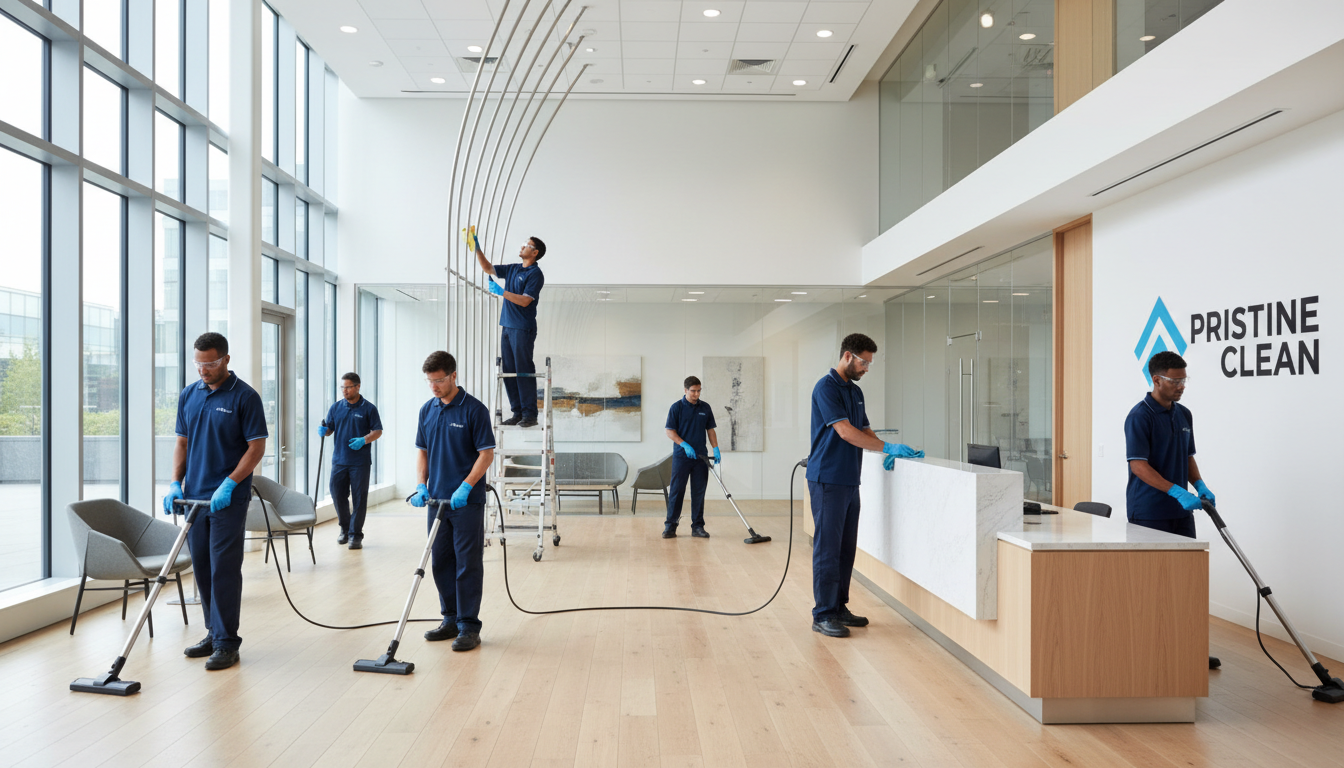
Benefits of Regular Professional Cleaning
Investing in regular professional cleaning services offers numerous benefits. A clean environment reduces the risk of illness, leading to fewer sick days and increased productivity. It also enhances the aesthetic appeal of the workspace, which can improve employee morale and client satisfaction.
Moreover, consistent cleaning can prolong the lifespan of office furniture and equipment by preventing dust and grime buildup. This can lead to significant cost savings in the long run.
Health and Safety
A clean workspace is a safe workspace. Regular cleaning helps eliminate harmful germs and bacteria, reducing the likelihood of spreading infections. It also minimizes the risk of accidents caused by clutter or spills, ensuring compliance with health and safety regulations.

Conclusion
Determining the right frequency for professional cleaning services depends on various factors, such as the type of business, the amount of foot traffic, and specific industry requirements. By understanding these factors and the benefits of regular cleaning, you can create a schedule that keeps your workspace clean, safe, and welcoming.
Ultimately, investing in professional cleaning is an investment in the well-being of your employees and the success of your business. Consider consulting with a professional cleaning service to tailor a plan that best suits your needs.